
Featured Blog Posts
Expert deep cleaning hacks that will completely change the way you maintain your home.
The Ultimate Guide to Eco-Friendly Exterior Cleaning
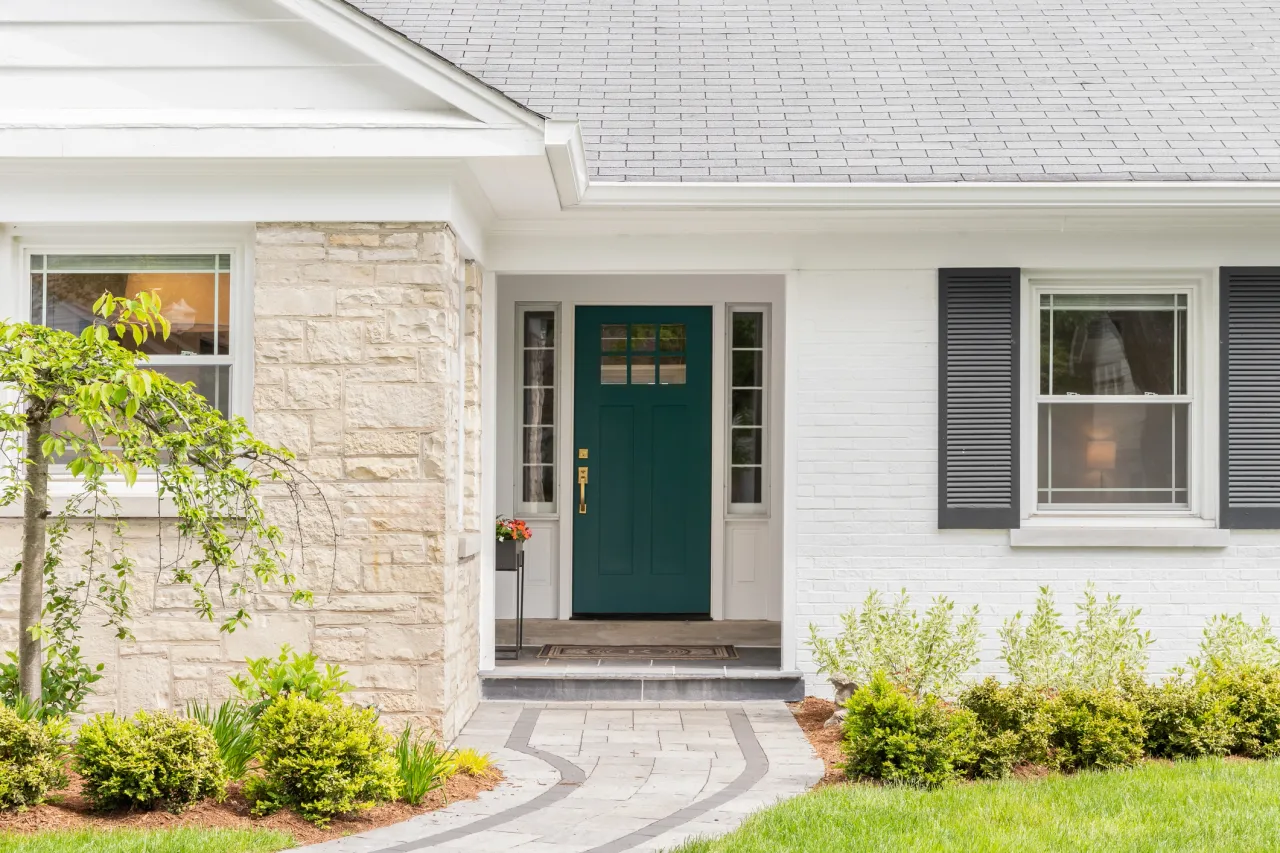
Why Your Building’s Exterior Deserves More Than a Quick Hose-Down
Kerb appeal starts with cleanliness—but traditional pressure washing and chemical-based treatments can harm both your property and the planet. In regions like the Tablelands, where weather conditions fluctuate between intense sun, heavy rain, and humidity, exterior surfaces such as concrete, cladding, and roofing accumulate not just dirt, but mould, algae, and grime that compromise longevity and appearance.These contaminants aren’t just unsightly—they can degrade materials over time, leading to costly repairs if left unchecked.
The shift toward eco-friendly exterior cleaning isn’t just a trend; it’s a smarter, more responsible approach. By using biodegradable cleaning solutions, low-pressure techniques, and water-conserving equipment, sustainable methods effectively deep-clean without damaging surfaces or polluting local waterways. Whether you manage a commercial property in Atherton or a residential home in Tolga, maintaining façades with green practices ensures safer environments for families, employees, and surrounding landscapes.
In this guide, you’ll discover:
- The long-term benefits of non-toxic cleaning agents
- How low-impact methods preserve surface integrity
- Practical strategies to reduce water waste during cleanings
- Steps to maintain clean exteriors year-round
Smart exterior maintenance protects your investment—ethically and efficiently.
Know Your Surface: Why Material Matters in Eco-Friendly Exterior Cleaning
When tackling exterior cleaning the green way, the first step isn’t picking a cleaner—it’s identifying the surface. Common materials like concrete, brick, vinyl or fibre cement siding, and roofing shingles each have unique porosity, durability, and chemical sensitivities. Applying a one-size-fits-all cleaning method can lead to discoloration, erosion, or even structural weakening—especially in Queensland’s humid, sun-intense climate.
Concrete driveways and pathways, for instance, can harbor moss and efflorescence, requiring pH-balanced, non-acidic treatments to avoid surface pitting. Brick façades, often found in older properties across regional towns like Tolga and Atherton, retain moisture and are vulnerable to harsh chemicals that strip natural minerals. Meanwhile, modern siding types—whether PVC or fiber cement—can warp or fade if exposed to high pressure or toxic solvents. Roofing systems, especially tiled or Colorbond® in Far North Queensland homes, demand gentle soft washing to eliminatelichen, algae, and mould without damaging protective coatings.
Using non-toxic, biodegradable cleaning agents combined with low-pressure techniques ensures deep cleaning without environmental harm. Matching your method to the material not only preserves curb appeal but extends the life of your home’s exterior. Always assess porosity, age, and exposure before beginning—to protect your property and the planet.
5 Powerful Benefits of Eco-Safe Exterior Cleaning Methods
Switching to environmentally safe cleaning techniques isn’t just a trend—it’s a smart, responsible choice that delivers measurable advantages for homes, communities, and the natural world. From suburban neighbourhoods in Cairns to rural properties across the Tablelands, eco-friendly exterior cleaning is redefining how Australians maintain their buildings—and for good reason.
- Protect Local Waterways and Wildlife
Traditional pressure washing often relies on harsh detergents that run off into storm drains, eventually polluting rivers, lakes, and the Great Barrier Reef’s surrounding ecosystems. Green cleaning utilises biodegradable, non-toxic solutions that break down safely, preserving aquatic habitats and preventing harm to fish, birds, and native plants in Queensland’s delicate environments. - Improve Air Quality Around Your Home
Chemical-laden cleaners release volatile organic compounds (VOCs) that degrade outdoor air quality. Eco-conscious alternatives use plant-based ingredients, reducing airborne pollutants and creating a safer atmosphere—especially important for families with asthma or allergies in regions prone to still, humid conditions. - Safer Surfaces for Children and Pets
Kids and pets interact closely with outdoor spaces. Using non-toxic cleaners on driveways, patios, and play areas ensures no harmful residues remain, preventing skin irritation or accidental ingestion. This peace of mind is essential for households in family-centric communities. - Preserve Building Materials Naturally
Harsh chemicals can degrade timber, corrode metal fixtures, or strip protective sealants over time. Eco-friendly methods use balanced pH cleaners and soft-wash systems that clean effectively without compromising structural integrity, extending the life of your exterior finishes. - Support Sustainable Community Standards
By choosing green cleaning, homeowners and property managers contribute to broader environmental stewardship. stewardship. It aligns with regional sustainability goals across Far North Queensland, encouraging eco-conscious practices that benefit entire neighborhoods and preserve the region’s natural beauty for years to come.
How Eco-Conscious Professionals Clean Exteriors Safely and Effectively
Transforming dirty, algae-covered exteriors into clean, revitalised surfaces doesn’t require harsh chemicals or environmental trade-offs. Here’s how modern, eco-focused cleaning services achieve powerful results using sustainable methods:
- Assess the Surface and Contamination Type
Professionals begin by inspecting the material—whether it’s concrete, timber, brick, or render—and identifying the type of build-up (mould, grime, mildew, or organic growth). - Choose Biodegradable, pH-Neutral Cleaning Solutions
Instead of chlorine or acid-based cleaners, eco-conscious operators use plant-based detergents that break down safely in the environment. These solutions effectively lift dirt without leaching toxins into soil or waterways—especially important in sensitive areas like Far North Queensland. - Utilise Low-Pressure Soft Washing Systems
High-pressure washing can damage surfaces and disperse contaminants. Instead, soft washing with advanced low-pressure equipment applies cleaning agents gently, then rinses them away with controlled water flow, preserving material integrity. - Incorporate Filtered Extraction When Needed
For enclosed or high-risk areas, professionals use extraction units with advanced filtration to capture runoff and airborne particles, minimizing environmental impact.
Tip: Always ask about water reclamation practices—some providers use mobile filtration units to recycle water on-site, a smart choice for drought-prone regions.
Your Top Eco-Friendly Exterior Cleaning Questions—Answered
Homeowners across regional Queensland and beyond often have questions about transitioning to green exterior cleaning methods. Here’s a clear breakdown of what you need to know to make informed, sustainable choices for your property.
Is eco-friendly exterior cleaning as effective as traditional pressure washing?
Absolutely. Modern green cleaning uses advanced biodegradable detergents and low-pressure soft washing techniques that safely remove grime, algae, and mould without damaging surfaces. This method is especially effective for delicate materials like render, stucco, and aged brick commonly found in homes across Cairns, Atherton, and the Tablelands.
Are natural cleaning solutions safe for pets and children?
Yes. Unlike conventional cleaners that may contain harsh solvents or chlorine, eco-friendly formulations are non-toxic and safe once rinsed. This makes them ideal for households with kids, pets, or sensitive individuals. Always confirm that products are certified environmentally friendly and pH-neutral.
How often should I schedule green exterior cleaning?
We recommend cleaning every 12–18 months, depending on your local climate and exposure to vegetation. Properties in high-humidity areas like the Far North Queensland coast may benefit from more frequent maintenance to prevent moss and mould build-up.
Is green cleaning more expensive?
Not necessarily. While some eco-conscious products cost slightly more, the reduced need for surface repairs and water usage often balances the overall expense. Plus, many homeowners report longer-lasting results, reducing long-term costs.
What’s the environmental impact compared to standard methods?
Green cleaning significantly reduces water consumption and eliminates chemical runoff into local waterways. This is especially important in ecologically sensitive areas like the Atherton Tablelands, where preserving natural ecosystems is a shared community priority.
Building a Cleaner, Greener Future Starts With Your Exterior
Choosing sustainable exterior cleaning isn’t just a one-time refresh—it’s a long-term investment in property longevity and environmental responsibility. Over time, eco-friendly methods protect building materials from premature wear, reduce water consumption, and eliminate harmful runoff that impacts local ecosystems, especially in regions like Queensland’s Tablelands. Unlike traditional pressure washing that can erode surfaces, soft washing with biodegradable solutions preserves roofs, siding, and pavers while delivering superior stain and mould removal.
By prioritizing green cleaning, property owners support healthier outdoor spaces and contribute to broader community sustainability goals. The value compounds: less frequent cleanings are needed, materials last longer, and curb appeal remains high without compromising ecological integrity.
To make the shift, evaluate current cleaning practices and ask whether chemicals used are phosphate-free and non-toxic. Inquire about water reclamation practices and opt for providers using low-pressure, high-efficiency systems.
Take the next step—explore environmentally responsible exterior maintenance options in your area today. Your property, and the planet, will thank you for the long-term care.